


Dispensary Retail Audit Checklist
By Michael Marra
When we audit a dispensary, one of the first things we do is stand at the back of the queue and try to read the menu. It may be perfectly legible from the register, which is a great spot if you work there. A dispensary retail audit looks at the store the way a customer does, from the front door to checkout.
We run these audits for dispensaries, and this is the retail audit checklist we'd hand you to run one yourself. All it takes is a phone, a floor plan and a tape measure. If you'd rather have a second pair of eyes on the store, we'll get to that further down.
When should you run a dispensary retail audit?
Stores drift. A taller jar or a shifted queue can make yesterday's setup awkward, and it's hard to spot when you see the store every day. That's why we suggest a walk before replacing fixtures, when a product line arrives and once a quarter.
Often the fix is small. We like to read the sign from the back of the line with someone standing at the case. It's a check we use in our retail merchandising and dispensary design work, and moving the sign may be all that's needed.
How do you run an internal retail audit?
An internal retail audit works best as a shared walk. We'd bring the manager and someone who stocks the floor, plus a phone, a floor plan and a tape measure. Every No gets a number, and the same number goes on the plan and the photo so anyone can find the spot later.
Good notes are ones the next shift can check. “Only the top half of the price card shows above the tray” gives them something to go and look at. We keep faces and order details out of the shot. It's also worth comparing a busy hour with a quiet one, because the store behaves differently in each.

An example store walk. Follow the route a customer actually takes in your store.
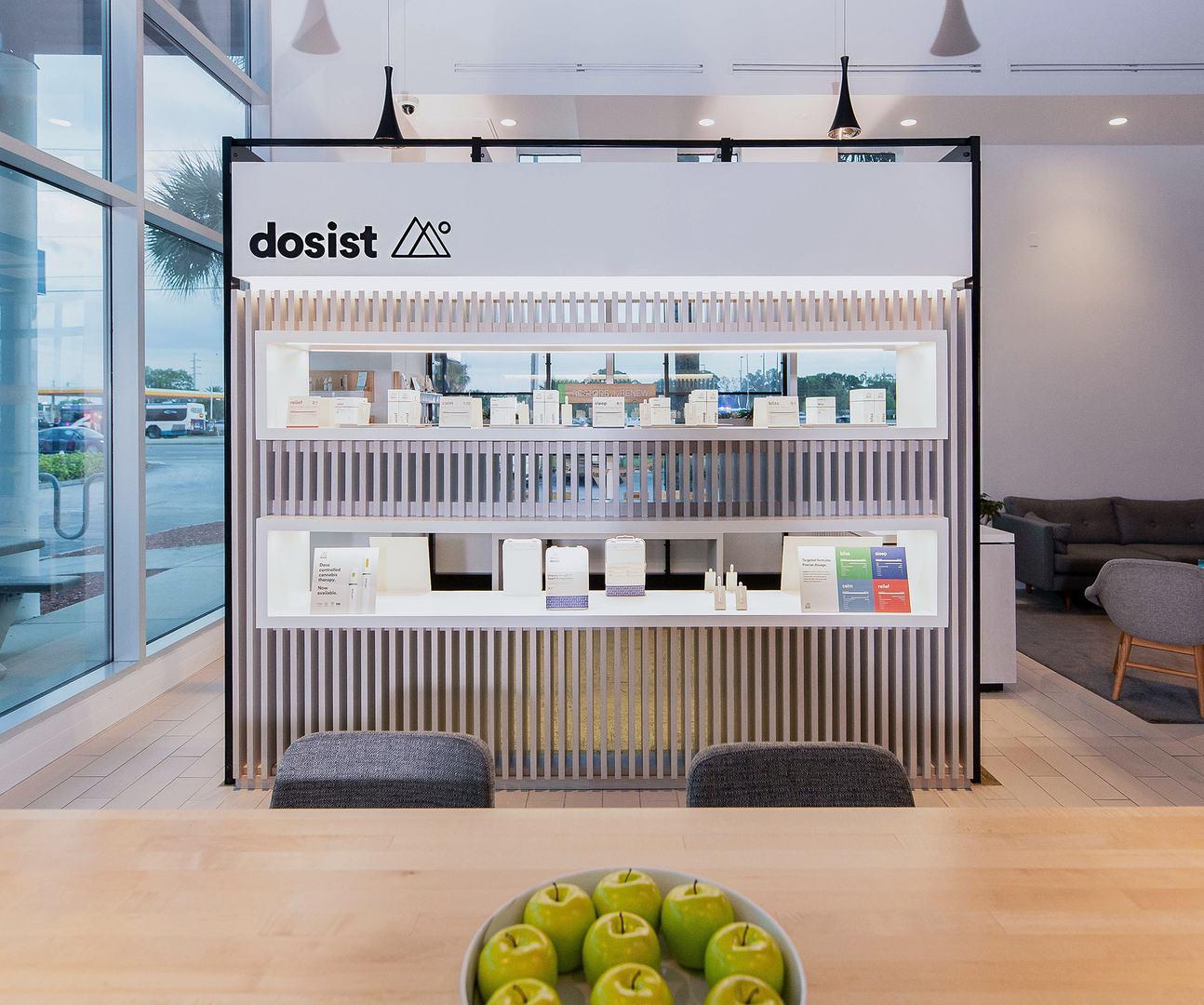
Dosist at Surterra. The entrance and seating area.
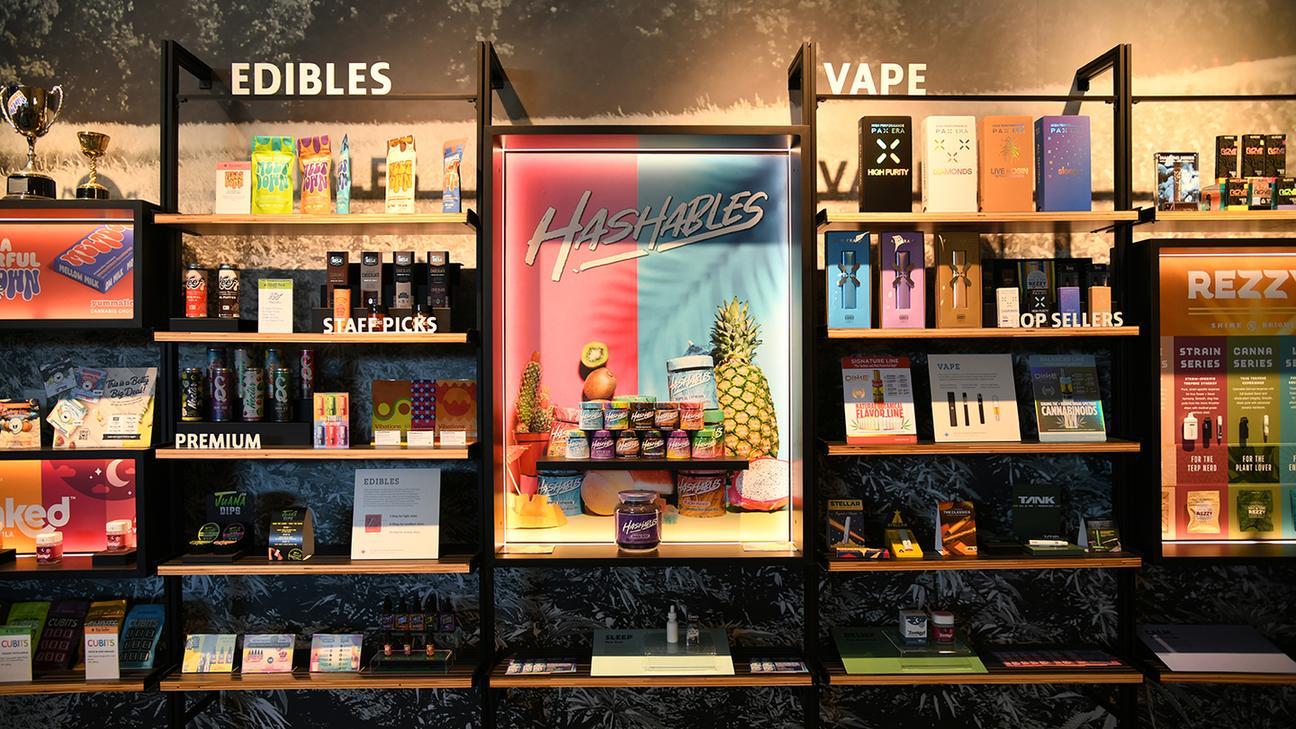
Nova Farms. Category signs above the fixtures.
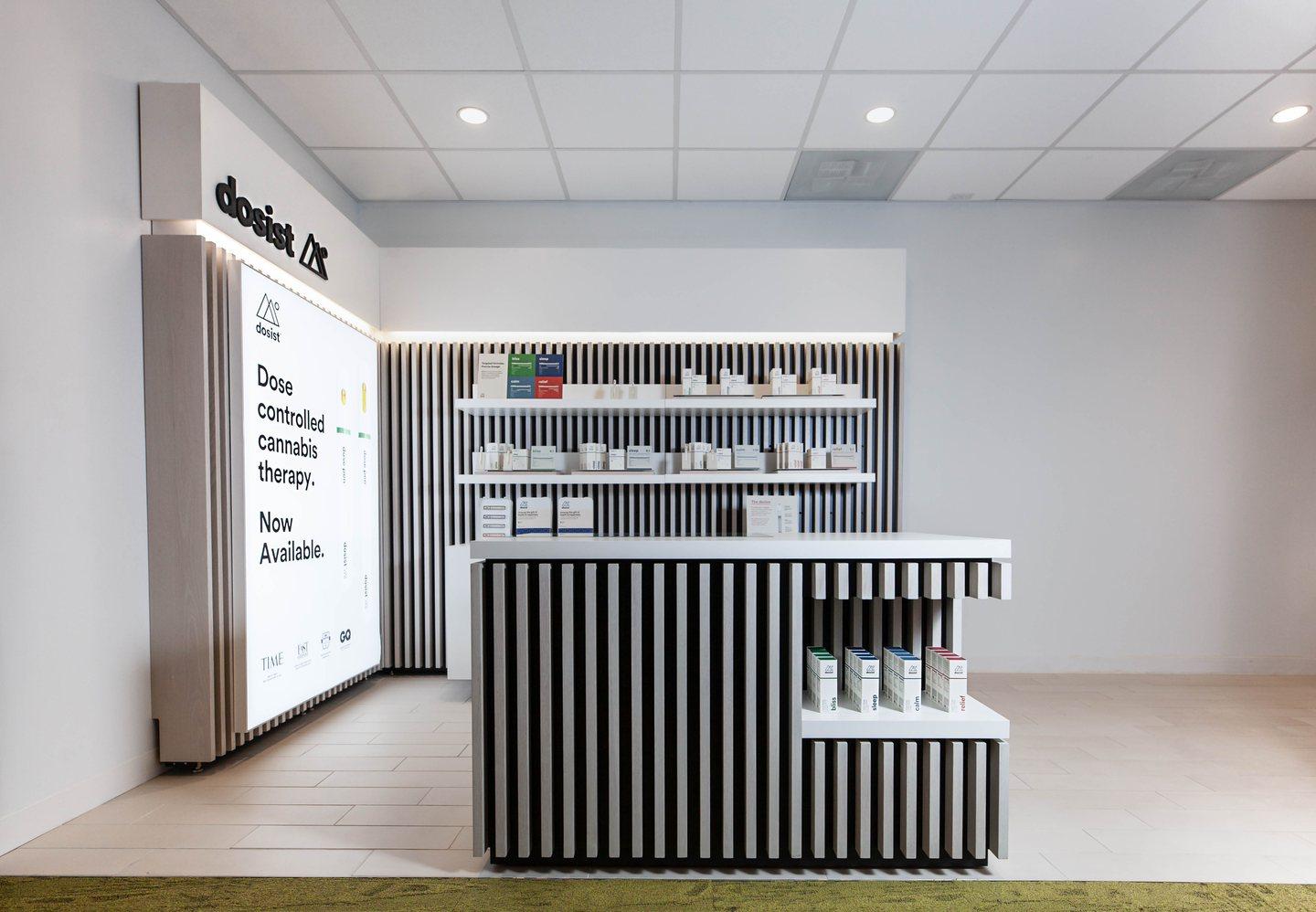
Dosist at Surterra. Wall and floor displays.
What does the retail audit checklist cover?
The dispensary merchandising checklist follows the customer's route in seven parts, with seven checks in each. We'd run through it before moving anything. Each item gets a Yes, No or N/A, and a photo of the problem before it's fixed. Even a pack facing the wrong way is worth a photo before you turn it around.
Entrance and first impression
We start outside, because that's where a new customer starts. The first few steps tell them whether the store is easy to shop.
What we check | Yes | No |
|---|---|---|
From the sidewalk or parking lot, can a new visitor tell which door to use? | ☐ | ☐ |
Can you read the opening hours and entry instructions with the front door closed? | ☐ | ☐ |
Once inside the door, can you see where to check in or who to ask for help? | ☐ | ☐ |
Is the way in clear when the delivery boxes and portable signs are in their usual places? | ☐ | ☐ |
If three people are waiting, can the next customer tell where to join them? | ☐ | ☐ |
Could a customer buy the item on the first promotional sign today? | ☐ | ☐ |
Are the entrance graphics up to date and within reach for cleaning? | ☐ | ☐ |
Notes ______________________________
Sightlines and wayfinding
Next we stand where customers stop and look at what they can see. If the categories aren't visible from there, people have to ask or guess.
What we check | Yes | No |
|---|---|---|
From the first spot customers can stop, can they pick out the main product categories? | ☐ | ☐ |
At a fork in the aisle, can you read the sign before you have to choose a direction? | ☐ | ☐ |
When someone stands in front of the case, are the category names still visible behind them? | ☐ | ☐ |
Can staff at the service counter see the shopping floor over the displays? | ☐ | ☐ |
Can people in line read the product information and leave the aisle open? | ☐ | ☐ |
As you come around a corner, can you see where to browse or get help next? | ☐ | ☐ |
From a seated position, can you find the main service counter? | ☐ | ☐ |
Notes ______________________________
Fixtures and cases
Then we get close to the fixtures and cases. This is where we check that everything still fits, opens and can be cleaned and restocked.
What we check | Yes | No |
|---|---|---|
Does the fixture sit firmly, with shelves and holders secure and doors that open cleanly? | ☐ | ☐ |
Does the widest pack in each holder sit flat with its product name showing? | ☐ | ☐ |
Can a customer standing at the glass read the smallest label under the case lights? | ☐ | ☐ |
Can staff reach the inside corners to clean without taking the rest of the case apart? | ☐ | ☐ |
Can the person restocking the back row get to it while the front row stays in place? | ☐ | ☐ |
Do the graphic panels sit square in their holders, with clean edges and secure corners? | ☐ | ☐ |
When every product assigned to the fixture is on it, does each one have room? | ☐ | ☐ |
Notes ______________________________
Product facings and stock
Now we look at the product itself. The pack, the label under it and today's menu should all say the same thing.
What we check | Yes | No |
|---|---|---|
Can you find each item featured on the floor on today's menu? | ☐ | ☐ |
Facing the shelf, can you read the brand, product name and format on each pack? | ☐ | ☐ |
When you pick up a pack, do its name, size and variant match the label directly below it? | ☐ | ☐ |
Can someone comparing two products in the same category find both in the same part of the store? | ☐ | ☐ |
When there's a gap in the front row, does staff know whether to refill it or change the display? | ☐ | ☐ |
Do the featured packs take up the shelf space shown on the current display plan? | ☐ | ☐ |
Have staff taken down display packs for lines that are discontinued or unavailable? | ☐ | ☐ |
Notes ______________________________
Signage and menus
We read every sign and menu as if it's our first visit. A sign only helps if you can read it from where you're standing and it's still true.
What we check | Yes | No |
|---|---|---|
Can a customer read the main menu from the spot where you expect them to order? | ☐ | ☐ |
If you ring up a displayed item, does the checkout show the name and price on the menu? | ☐ | ☐ |
Are all offers still running, including the promotion on the screen behind the counter? | ☐ | ☐ |
Can you point to the product a sign describes without asking a staff member? | ☐ | ☐ |
Does a category keep the same name on the wall, the shelf, the printed menu and the screen? | ☐ | ☐ |
Can you finish reading a menu screen before it changes, even under the store lights? | ☐ | ☐ |
Would the product card tell someone new to the format what comes in the pack? | ☐ | ☐ |
Notes ______________________________
Staff flow and checkout
We follow the staff as well as the customers. A layout that slows the team down slows the line down too.
What we check | Yes | No |
|---|---|---|
Can a staff member carry stock from the back room to the case with the queue in place? | ☐ | ☐ |
At the busiest point, can shoppers still reach the displays and counters alongside the line? | ☐ | ☐ |
Is there room on the counter to set down, check and bag a normal order? | ☐ | ☐ |
Can staff grab a bag or receipt roll while keeping the order in sight and the next station free? | ☐ | ☐ |
When two orders finish together, can each customer tell where to pick theirs up? | ☐ | ☐ |
Do cleaning bottles, spare bags and staff tools have a home out of customers' sight? | ☐ | ☐ |
Can someone leave with their purchase without cutting back through the queue? | ☐ | ☐ |
Notes ______________________________
Brand displays and shop-in-shops
We finish with the brand displays and shop-in-shops. They're agreed between the brand and the retailer, so we check them against what was agreed.
What we check | Yes | No |
|---|---|---|
Is the brand display still in the position and space the retailer agreed to? | ☐ | ☐ |
On the way up to the display, can you see whose products it holds and what they are? | ☐ | ☐ |
Do all the items assigned to the brand display fit, including packs that recently changed size? | ☐ | ☐ |
Do the brand's graphics and product cards feature the versions this store actually stocks? | ☐ | ☐ |
Can you see the category signs and neighboring brands from the other side of the display? | ☐ | ☐ |
Could the next shift put the display back together using the guide and parts in the store? | ☐ | ☐ |
Do staff know who to call for a missing part, a new card or a repair? | ☐ | ☐ |
Notes ______________________________
What should you do with the audit results?
By the end of the walk you'll have a list of No answers. The checklist tells you what's wrong, but not what to do about it, so that's the next step. We'd review the answers together, then give each fix an owner and a date to check it again. Keep the numbered photos so the next shift can check from the same spot.
We sort the fixes into three groups:
Quick corrections. The price card that belongs to the jar one row over, or the offer that ended Sunday. Your team can fix these the same day, then read the shelf again from the customer's position.
Fit problems. Before you call the supplier, we'd measure the pack's width and the space in the holder. A wider insert might do it. A photo of the holder in place shows how it attaches.
Layout problems. These are the ones that end up on the floor plan. If one queue hides the menu, cuts off the vape case and blocks the stockroom door, moving a sign won't fix it. Talk it through with the staff on that shift before moving anything.
Layout problems are where we can help most. Our Visual Merchandising service is the audit plus a plan your team can carry out. We do the audit, then give you an annotated floor plan showing traffic flow, sightlines, dead zones and areas of opportunity. You also get a plan for setting or retrofitting your existing fixtures, and a merchandising approach for categories, promotions, pricing and signage.
We've done this at different scales. At Nova Farms, we kept the floor plan and reordered the retail zones around the customer's route. The Dosist modular display program used shared components to fit different lengths of wall. Dosist received 2019 Clio Cannabis Gold in Retail/Event Design. You can see the risers and trays in our photographed walkthrough of the Dosist installation.
Frequently asked questions
How long does a retail audit take?
It depends on the store. More fixtures, more photos and a busy floor all add time. In larger stores we'd split the sections between two people, then come back at a different time to compare the line. If you'd rather not spend the time, we can run the audit for you.
Who should do the audit?
We'd pair the manager with someone who hears customers' questions at the register or while restocking. Then ask someone who doesn't know the store to try the entrance and signage checks. They'll catch what regulars have stopped seeing.
Should we do the audit ourselves or bring someone in?
Both work. Your team knows the store better than anyone, and the checklist is built for them to run. An outside team helps when the same problems keep coming back, or when the fix means changing the layout. That's when our Visual Merchandising service makes sense. We do the audit and hand you the plan.
What should I fix first?
We'd clear blocked routes and correct wrong prices or product labels first. Then come the problems that showed up more than once. Start with the smallest fix and check it from the customer's side of the glass.
Can a brand audit a store it does not own?
Yes. Agree with the retailer on the display's footprint and what you can photograph. Then compare the packs and price cards with the retailer's current stock and menu, and show the manager anything that doesn't match. Always get permission before moving anything, especially another brand's display.
Want us to run the audit for you? Book a call and ask about Visual Merchandising. If you've already done the walk, even better. Send us the marked-up sheet, a wide shot of the bay and a close-up of the part that's giving you trouble.